Mile End Road house clearance rubbish removal tips
Posted on 10/08/2026
If you are planning a clear-out on Mile End Road, the job can get messy fast. Boxes pile up, old furniture turns awkward, and suddenly the hallway feels smaller than it did yesterday. These Mile End Road house clearance rubbish removal tips are designed to help you keep control of the process, avoid common mistakes, and make smarter decisions about sorting, loading, recycling, and disposal.
Whether you are clearing a flat after a move, dealing with loft clutter, preparing a property for sale, or tackling a long-overdue spring clean, the best results usually come from a simple plan rather than a heroic last-minute scramble. A little structure goes a long way. Truth be told, it saves your back as much as your time.
In this guide, you will find a practical step-by-step approach, a comparison of disposal options, a realistic example, and a checklist you can actually use on the day. If you need a broader overview of local services, you may also find the services overview useful, and for a more specific domestic clear-out, the house clearance service page is a sensible next stop.

Why Mile End Road house clearance rubbish removal tips Matters
Mile End Road has the kind of everyday pressure points that make clearance work trickier than it looks. There may be limited parking, busy footfall, shared entrances, narrow stairs, or a mix of housing types that all need different handling. Add in heavy wardrobes, broken appliances, bagged waste, and a couple of mystery items from the back of the cupboard, and things can go off-script quickly.
Good rubbish removal tips matter because house clearance is not just about getting rid of stuff. It is about doing it in a way that is safe, efficient, and respectful to the property and the neighbours around it. A well-run clear-out can protect flooring, reduce lifting injuries, and cut down on trips back and forth. A poor one can leave you with damaged walls, blocked access, and a bin pile that somehow looks bigger at 6 p.m. than it did at noon.
There is also a practical financial reason. Sorting items properly before removal can reduce wasted labour and unnecessary disposal. Furniture that could be reused should not be treated like mixed rubble. Recyclables should not be mixed with general junk. And if you are arranging a collection, a clearer load usually means a cleaner quote. For many households, that difference is where the stress disappears.
Expert summary: The best house clearance on Mile End Road starts before the van arrives. Sort first, protect access, identify hazards, and only then decide what should be reused, recycled, collected, or disposed of.
How Mile End Road house clearance rubbish removal tips Works
At a practical level, the process is straightforward. You survey the property, separate items into categories, decide what can stay, and identify what needs removal. The useful part is not the concept. It is the order.
A typical domestic clear-out on Mile End Road often works best in these stages:
- Initial walk-through: Check every room, cupboard, loft hatch, shed, and storage space.
- Sort by type: Keep, donate, recycle, remove, and special handling items.
- Flag heavy or awkward items: Wardrobes, mattresses, white goods, and old desks need a plan.
- Clear access routes: Hallways, stairwells, lifts, and doorways should be unobstructed.
- Protect the property: Use floor coverings and avoid dragging items if you can help it.
- Load in the right order: Heavier items first, lighter mixed waste afterwards.
- Finish with a sweep-through: Check corners, behind doors, and under sinks before signing off.
That order matters because house clearance is rarely just a "load and leave" exercise. More often, it is a series of small decisions. Is that chair salvageable? Should those books be boxed or bagged? Is the old paint tin still full? One decision leads to another, and it is much easier when the property is already organised.
If you are dealing with a more cluttered space such as a loft or garage, the same logic applies, but the sorting stage becomes even more important. For example, our loft clearance guidance and garage clearance service are helpful references because those spaces often contain a mixed, awkward blend of items that cannot be handled casually.
Key Benefits and Practical Advantages
The biggest benefit is control. Once a home starts filling with bags, broken furniture, and loose bits of old life, it is easy to lose momentum. A structured clearance keeps the job moving and makes the space feel manageable again.
Here are the main advantages people usually notice:
- Less stress: You know what is happening, in what order, and why.
- Faster completion: Fewer delays caused by unclear sorting or blocked access.
- Better recycling outcomes: Materials are separated more sensibly.
- Safer lifting: Heavy items are handled with more care and planning.
- Cleaner end result: The property is easier to inspect, clean, or hand over.
- Better value for money: Fewer wasted trips and less confusion on the day.
There is a less obvious benefit too: emotional relief. House clearance is often linked to life changes, not just tidying. Moving home, sorting a relative's property, preparing for renovation, or dealing with accumulated clutter can all be emotionally tiring. A clear plan makes the whole process feel less personal and more manageable. That sounds small. It is not.
For readers comparing disposal routes, the local pages on rubbish clearance in Bow and waste removal options can help you match the job to the right kind of service rather than forcing every problem into one solution.
Who This Is For and When It Makes Sense
This kind of advice is useful for a lot of people, not just homeowners doing a full empty-out. In practice, the need often shows up in smaller, more ordinary situations.
You may benefit from these tips if you are:
- moving out of a flat or terraced house on or near Mile End Road
- preparing a property for sale or letting
- clearing after tenants have left items behind
- sorting a loft, shed, garage, or under-stairs storage area
- dealing with furniture, bric-a-brac, and bagged household waste together
- managing a deceased estate or family property clear-out
- trying to reduce clutter before renovation or redecorating
It also makes sense when the waste is too much for ordinary bin collections, but too awkward for a simple DIY tip run. A sofa, several broken drawers, a mattress, some old computer gear, and a stack of mixed black bags is exactly the sort of combination that can become frustrating. On its own, each item seems manageable. Together, not so much.
If you are weighing up whether Bow and the surrounding E3 area are a good fit for your plans, the local context articles on whether Bow suits local residents and the Bow Road rubbish removal guide give useful nearby context without overcomplicating the decision.
Step-by-Step Guidance
If you want the cleanest result, use a process like this. It is simple, but simple works. Always has, really.
- Walk the whole property first. Do not start bagging random items before you understand the full scope. Check bedrooms, lofts, cupboards, sheds, and behind large furniture.
- Separate items into clear groups. A practical split is keep, donate, recycle, remove, and special disposal. This prevents the common "everything into one pile" problem.
- Measure awkward furniture. Check whether large items will fit through doors, down stairs, or around landings. This is the stage where many plans quietly fall apart.
- Remove hazards early. Broken glass, loose nails, sharp metal edges, leaking containers, and old electronics should be isolated first.
- Box or bag smaller waste. Loose items slow everything down. Put them into manageable containers so they can be lifted safely.
- Create a loading path. Move items so there is one clear route out of the property. Shared hallways in particular benefit from this.
- Protect touchpoints. Use blankets, cardboard, or protective sheets on walls, floors, and corners where needed.
- Check for restricted items. Paint, certain chemicals, and some electrical items often need separate handling. If in doubt, treat them differently.
- Confirm what is being taken. A quick final check avoids accidental removal of documents, keys, chargers, or sentimental items hiding in a drawer.
- Do a final sweep. Look in corners, behind curtains, under beds, and around sockets. You will always find one last thing. Always.
If you are short on time, the most efficient thing you can do is sort everything before collection day. Even a rushed sort is better than no sort. A half-ordered room is far easier to clear than a room where everything is mixed together like one giant bad idea.
For jobs that include mixed domestic and bulky items, it can help to compare the route against furniture disposal and junk removal so you know which items deserve a separate handling plan.
Expert Tips for Better Results
A few small habits make a surprisingly big difference. These are the kinds of things that save time without feeling like "expert advice" in the annoying sense.
- Start near the exit and work inward. It keeps the route clearer for longer.
- Use colour-coded bags or labels. It sounds fussy, but it stops mix-ups.
- Disassemble when sensible. Flat-pack beds, shelving, and table legs are easier to move once taken apart.
- Keep paperwork and valuables in one sealed box. Old statements, passports, and spare keys have a knack for hiding in the wrong place.
- Schedule clearance before deep cleaning or decorating. That way, you are not cleaning around future debris.
- Think about neighbour access. If the stairwell is shared, a quick heads-up can prevent awkwardness.
- Don't underestimate the "small items". Books, ornaments, cables, and bags of mixed clutter can eat up a lot of time.
One useful local habit is checking whether your pile is actually a mix of several different jobs. A home clear-out sometimes includes loft waste, garden debris, and old office furniture. If that sounds familiar, it may be better to break the task into sections rather than treat it as one giant domestic clear-out. The service pages for garden waste removal, office clearance, and builders waste clearance can help you think in categories instead of panic.
And yes, one slightly nerdy tip: write down the worst three items before you begin. The one thing you dread is often the item that slows the entire project. Face that first. It feels odd, but it works.

Common Mistakes to Avoid
Most bad clearances fail for predictable reasons. The good news is that they are easy to spot once you know what to look for.
- Leaving sorting until the end: This usually creates a bigger mess and more lifting.
- Mixing everything together: Recyclables, general waste, furniture, and special items should not be shoved into one pile if avoidable.
- Ignoring access routes: A clear hallway is not a luxury. It is part of the plan.
- Forgetting to check lofts and storage cupboards: These spaces are where half the forgotten stuff lives.
- Underestimating weight: Old books, boxes of magazines, and water-damaged items can be deceptively heavy.
- Not protecting the property: Scratched paintwork or damaged banisters can be more upsetting than the waste itself.
- Throwing away items with personal data: Old bills, USB sticks, and labelled documents need extra care.
Another mistake is assuming every item can be handled the same way. That is just not how it works. A mattress, a broken mirror, and a bag of household clutter may all look like "rubbish" at a glance, but in practice they may need different handling methods. If you are planning a bigger clear-out, it is worth reviewing skip hire in Bow versus collection-style removal so you do not end up choosing the wrong tool for the job.
Tools, Resources and Recommendations
You do not need specialist equipment for every clear-out, but the right basics make the work easier and safer.
Useful items include:
- strong sacks or rubble bags for mixed light waste
- boxes for documents, books, and fragile contents
- gloves with a good grip
- sturdy tape and marker pens for labelling
- blankets or floor protection for narrow passages
- a screwdriver or basic tool kit for quick dismantling
- a torch for lofts, cupboards, and dim corners
On the planning side, these pages are genuinely useful if you are deciding how to approach the job:
- pricing and quotes for understanding how to request a clearer estimate
- recycling and sustainability if you want the waste handled more responsibly
- payment and security for reassurance around booking and checkout
- insurance and safety if the property has tight access or awkward heavy items
One practical recommendation: photograph the main piles before you book anything. It helps you explain the job clearly, avoids forgotten items, and gives you a visual record of what needs removing. It is a small thing, but very handy.
Law, Compliance, Standards, or Best Practice
For house clearance and rubbish removal in the UK, the safest approach is to treat waste responsibly and make sure it is passed to a legitimate operator. You do not need to become an expert in waste law to do the right thing, but you should be careful about where your rubbish ends up.
In plain English, best practice means:
- keeping waste separated where sensible
- not mixing hazardous or restricted items with ordinary household waste
- making sure removal is handled by someone who operates properly and responsibly
- following property rules if you live in a managed block or shared building
- being cautious with anything that could leak, cut, burn, or contaminate other items
If you are clearing a rented property, an estate, or a home being prepared for sale, documents and valuables should be checked carefully before anything leaves the building. Small mistakes here can be costly, or just deeply inconvenient. Nobody wants to discover a passport or old tenancy paperwork in the wrong bag later on. That is a headache you can avoid.
For a broader company overview and trust-building context, the site's about us page can also be useful when you want to understand the service approach behind the work.
Options, Methods, or Comparison Table
There is no single perfect removal method for every Mile End Road property. The right choice depends on volume, access, time, and how mixed the waste is. Here is a straightforward comparison.
| Method | Best for | Strengths | Trade-offs |
|---|---|---|---|
| DIY sorting and council-style disposal planning | Small to moderate clear-outs with plenty of time | Maximum control, can be cost-conscious, good for gradual jobs | Takes time, requires transport, and can involve multiple trips |
| Skip hire | Ongoing projects, renovation waste, and bulk volumes | Convenient for continuous loading, useful for mixed heavy waste | Needs space, can be overkill for smaller jobs, and may require permits depending on placement |
| Man-and-van style collection | House clearance, furniture removal, and fast one-off jobs | Efficient, flexible, reduces lifting and sorting pressure | Works best when items are already grouped and access is clear |
For many households around Mile End Road, a collection-style service strikes the nicest balance between effort and convenience. For heavier or renovation-linked waste, skip hire can make more sense. And for smaller, staged clear-outs, a DIY approach can still be sensible if you have time and transport. It depends on the shape of the job, not just the volume.
If you want to compare broader domestic and mixed-service options, the rubbish collection and junk removal pages are useful reference points.
Case Study or Real-World Example
Here is a realistic example based on the kind of clear-out that comes up all the time in East London. A family in a Mile End Road flat needed to clear a bedroom, part of the loft storage, and a front room before the property could be refreshed for new tenants. The space was not extreme, but it had the usual mix: an old bed frame, a wardrobe, stacked boxes, broken lamps, several bags of mixed clutter, and a few items they were not fully sure about.
They started with a walk-through and quickly realised the loft contents were the main time sink. So they separated the job into three piles: keep, donate, remove. That alone cut down the chaos. They also checked the route from the top floor to the street before lifting anything. Good move, because one awkward turn at the stair landing would have been a problem with the wardrobe frame.
What made the process smoother was not speed, oddly enough. It was restraint. They did not try to clear everything at once. They tackled the obvious items first, boxed the smaller bits next, and left the uncertain items until the end. By the time the van arrived, the space was ready. Less back-and-forth, fewer decisions on the spot, and no frantic hunt for a missing envelope full of documents. Well, nearly no frantic hunt.
The lesson is simple: clear-outs get easier when you act like a project manager instead of a firefighter. Slightly dull? Yes. Effective? Absolutely.
Practical Checklist
Use this checklist before collection day or before you begin moving items yourself.
- Walk through every room, cupboard, loft, and storage area
- Separate keep, donate, recycle, remove, and special items
- Check for valuables, documents, keys, and chargers
- Identify heavy, sharp, fragile, or leaking items
- Measure large furniture against doors and stairwells
- Clear hallways and access routes
- Protect floors, corners, and bannisters where needed
- Label boxes and bags clearly
- Group like items together so loading is quicker
- Confirm what will stay and what will go
- Take photos of the main loads if useful
- Do a final sweep before the team leaves
If you complete even most of that list, you are already ahead of the average rushed clear-out. Not glamorous, perhaps. But it works.
Get a free quote today and see how much you can save.
Conclusion
Mile End Road house clearance rubbish removal tips are really about making a busy job feel manageable. The best results come from sorting first, protecting access, handling awkward items carefully, and choosing the removal method that fits the property rather than forcing a one-size-fits-all approach.
Once you have a clear plan, the whole process becomes less intimidating. The home opens up again, the clutter loses its grip, and the work starts to feel properly doable. That is often the turning point. One room cleared, then another, and suddenly the property feels lighter.
If you are ready to move from planning to action, take a calm first step and use the right local support for the job. A little preparation now can save a lot of strain later, and honestly, that is usually worth it.



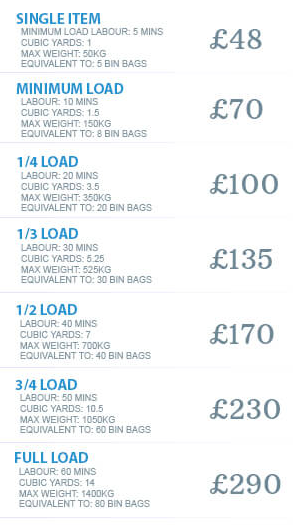
 Tipper Van - Rubbish Removal and Junk Clearance Prices in Bow, E3
 Luton Van - Rubbish Removal and Junk Clearance Prices in Bow, E3