Bow Road rubbish removal guide for local households
Posted on 03/07/2026

If you live near Bow Road, rubbish has a way of piling up at the least convenient moment. One broken wardrobe, a loft full of old boxes, a garden bag that never quite makes it to the tip, and suddenly the weekend is gone. This Bow Road rubbish removal guide for local households is here to make the whole thing feel much less annoying and a lot more manageable. You will find clear steps, common mistakes, practical choices, and a few local realities that matter when you are clearing clutter in a busy East London household.
The aim is simple: help you decide what to remove, how to remove it, and when professional help makes more sense than wrestling with heavy bags on your own. To be fair, that last part usually arrives sooner than people expect.
Why Bow Road rubbish removal guide for local households Matters
Rubbish removal is not just about tidying up. In a household setting, it affects safety, space, stress levels, and even how smoothly your home runs day to day. On Bow Road, where homes can be compact, storage is often precious. A few bulky items in the hallway can make the whole place feel tighter than it really is. You notice it when the pram has nowhere to go, when the airing cupboard is jammed shut, or when a spare room slowly turns into a graveyard for flat-pack packaging.
Local households also tend to face a mix of waste types. There is the ordinary stuff: black bags, packaging, kitchen clutter. Then there is the awkward stuff: broken furniture, old mattresses, garden offcuts, loft debris, or renovation waste from a weekend project that got bigger than planned. A practical guide helps you sort through those categories without guessing.
Another reason this matters is timing. When waste builds up, people often leave it too long because they are waiting for a free day or thinking, "I'll deal with it next week." Then next week becomes next month. That is how clutter settles in. A proper plan keeps the job small enough to finish.
For Bow Road households, there is also the simple issue of convenience. Traffic, parking, access, stairs, shared entrances, and bin storage all shape how rubbish should be removed. What works in a suburban driveway does not always work in a terraced street or flat block. That local context is the difference between a smooth collection and a mildly chaotic afternoon.
Expert summary: The best rubbish removal approach is not always the cheapest or the fastest. It is the one that fits the volume of waste, the type of items, the access to your property, and how much lifting you want to do yourself.
How Bow Road rubbish removal guide for local households Works
At its core, household rubbish removal follows a straightforward pattern: identify what needs to go, sort it into sensible groups, decide whether it can be reused, recycled, or disposed of, and then choose the removal method that fits. Simple on paper. Less simple when you are staring at a garage full of old stuff at 8:30 on a Saturday morning.
Most domestic clearances fall into one of these buckets:
- General household rubbish - everyday waste, packaging, broken mixed items, and accumulated clutter.
- Bulky item disposal - sofas, wardrobes, beds, tables, white goods, and other large items.
- Room or property clearance - lofts, garages, sheds, or full-house clearances.
- Outdoor waste - garden clippings, soil, hedge cuttings, or old fencing.
- DIY and builder waste - tiles, wood offcuts, plasterboard, broken fixtures, and renovation leftovers.
Once the type of waste is clear, you can decide between a few common methods. Some households use council-style collection arrangements for standard waste, others choose skip hire for larger jobs, and many prefer a direct rubbish collection service because it is quicker and usually far less hands-on. If you are weighing up broader service options, the services overview is a useful starting point for understanding what is typically available.
In practice, the process usually looks like this:
- Walk through each room and list what needs removing.
- Separate recyclable, reusable, and disposable items where possible.
- Check for anything that needs special handling, such as fridges, paint, or sharp materials.
- Estimate volume rather than guessing by eye alone.
- Choose the disposal route that suits the access, timing, and item type.
- Prepare the waste so collection is quick and safe.
The key thing is not to overcomplicate it. Once the job is broken down, even a messy loft starts to feel doable.
Key Benefits and Practical Advantages
Good rubbish removal is one of those jobs that pays you back in unexpected ways. The obvious benefit is a cleaner home. The less obvious one is mental relief. You stop stepping around clutter, stop moving the same box from one corner to another, and stop feeling that low-level irritation every time you open the cupboard.
Here are the practical advantages local households usually care about most:
- More usable space - especially valuable in Bow Road homes where storage is limited.
- Safer rooms and access routes - fewer trip hazards and less blocked circulation space.
- Less lifting and strain - helpful if an item is bulky or awkward.
- Faster turnaround - ideal when you need a room cleared for guests, decorating, or moving.
- Better sorting of recyclables - useful when you want waste handled responsibly.
- Less disruption - a trained team or a planned collection can save a whole day of DIY effort.
There is also a practical property angle. People often clear waste before a sale, a move, or a refurbishment because clutter makes decisions harder. A visible, empty space helps you judge what stays and what goes. If you are planning a move, the article on selling your Bow property gives a useful sense of why a clear home tends to feel more sale-ready.
And yes, sometimes the benefit is simply not having to make ten trips downstairs with bags that split halfway. That alone is worth something.
Who This Is For and When It Makes Sense
This guide is for local households, but "household" can mean a lot of things. It might be a family flat, a terrace, a converted property, a shared home, or a single-person household that has quietly collected more stuff than expected. Bow Road living often means making the best of limited space, so the need for rubbish removal can crop up in very ordinary situations.
It makes sense if you are:
- clearing out a spare room, loft, garage, or shed;
- replacing old furniture or mattresses;
- tidying after a house move or tenancy change;
- sorting through garden waste after a seasonal clear-up;
- dealing with renovation leftovers after decorating;
- helping an older relative clear a property;
- trying to get a family home back under control after years of accumulation.
It also makes sense when the job is bigger than a normal bin day but smaller than a full demolition project. That in-between space is where many people get stuck. Do you hire a skip? Do you wait for council collection? Do you book a clearance team? The answer depends on the volume, the items, and how quickly you need the space back.
If you are not sure whether Bow is the right area for your lifestyle or household needs, the local perspective in Is Bow ideal for you? residents' view and the broader context in a guide to exploring the quaint Bow suburb can help with that bigger picture. A practical home often starts with a practical area.
Step-by-Step Guidance
The easiest way to tackle rubbish removal is to treat it like a small project rather than a chore you dread for three weeks. Here is a simple, repeatable process.
1. Identify the waste type
Start with categories. Do not just make a pile of "stuff." Separate general rubbish, bulky furniture, recyclable items, garden waste, and anything that looks hazardous or unusual. If there are broken electronics, paint tins, or sharp waste, stop and review the handling rules before you move anything.
2. Decide what is still useful
Some items are rubbish. Others are just in the wrong place. If something can be reused, donated, or sold, set it aside before the clearance starts. This reduces waste and often lowers the amount you need to pay to remove. A slightly battered table may not be worth much, but it might be worth keeping out of the skip pile.
3. Measure the volume realistically
People often underestimate this bit. One small stack in the corner can become an enormous job once it is spread out. A good rule is to look at how much floor space the items take up, how many floors they need to move through, and whether they are light-but-bulky or genuinely heavy. The answer affects the best service choice.
4. Choose the collection method
For smaller loads, a direct rubbish collection may be the most convenient route. For bigger household projects, skip hire can suit longer jobs where waste is added over several days. If you want less lifting and a quicker finish, a clearance team is often the simplest option. If you are comparing methods, it may help to look at the rubbish collection, skip hire, and rubbish clearance options side by side.
5. Prepare access
Clear a route from the waste to the front door or collection point. Move fragile items out of the way. If you live in a flat, check whether there are lift, stair, or parking constraints. This step sounds small, but it saves a surprising amount of faff later.
6. Keep the job organised on collection day
Put the right items in the right place, keep walkways clear, and make sure anything you want to keep is physically separated. If you have booked a house clearance or a loft clearance, the smoother the layout, the faster the team can work. It sounds obvious. Still gets missed all the time.
7. Check the area after removal
Before you tick the job off, do a final look around. Check corners, behind doors, under shelving, and in cupboard backs. That is where the rogue item usually hides. The one thing you forgot always seems to be behind the boiler or under a pile of old wrapping paper.
Expert Tips for Better Results
A few small choices can make household rubbish removal cleaner, safer, and cheaper in practice. These are the details that save people trouble.
- Sort before you book - the clearer your waste categories, the easier it is to choose the right service.
- Remove reusable items early - furniture, appliances, and decent storage pieces should be separated before the main clearance.
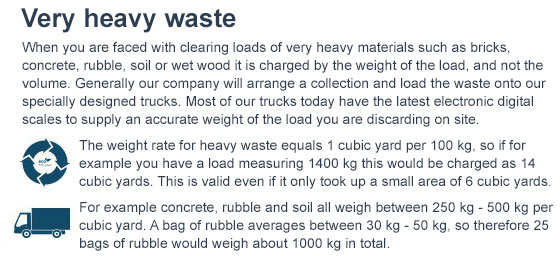
- Keep weight in mind - a bag full of tile offcuts is a very different job from a bag of packaging.
- Think about access first - narrow stairwells and tight hallways change the best solution.
- Use sensible timing - a quiet weekday morning can be easier than a busy weekend slot.
- Check if the waste is mixed - mixed loads can affect what can be recycled and how the items are handled.
For example, if you are emptying a garage, do not just drag everything out and hope for the best. Separate tools, paint, cardboard, broken shelving, and old furniture. It looks like more work at first, but honestly, it tends to make the whole process smoother and often cheaper.
If the job involves furniture specifically, the page on furniture disposal in Bow is worth a look, and if you are dealing with a loft full of older belongings, loft clearance is the more relevant route. There is no prize for choosing the most awkward method.

Common Mistakes to Avoid
Most household rubbish problems come from rushing, guessing, or leaving the job until the very last minute. It happens. But the same mistakes come up again and again.
- Underestimating the volume - the job is nearly always bigger than it first looks.
- Mixing normal waste with restricted items - this can slow everything down.
- Ignoring access issues - a clearance plan that works for a house may fail in a top-floor flat.
- Leaving sorting until the collection day - this creates stress and delays.
- Trying to lift heavy items alone - not a brave move, just a risky one.
- Assuming every service handles every material - always check what is included.
One very common trap is treating all "junk" as the same. A broken wardrobe, a bag of general clutter, and a few bags of garden waste are not identical jobs. Different waste streams often need different handling. If you bundle everything together, you may make the removal harder than it needs to be.
Also, do not leave useful paperwork or sentimental items in a clearance pile by accident. It sounds tiny, but people do this all the time when they are tired. The five-minute check at the end matters.
Tools, Resources and Recommendations
You do not need a van full of equipment to prepare for rubbish removal, but a few basic tools help more than people expect.
- Heavy-duty bags or sacks for safe bagging of general waste.
- Gloves to protect hands from sharp edges, dust, or old fixings.
- Marker pens and labels for sorting keep, donate, recycle, and remove.
- Box cutters or scissors for breaking down packaging and cardboard.
- Dust sheets if you are clearing a loft, garage, or dusty storage space.
- A tape measure if you are trying to judge whether a bulky item will fit through a route.
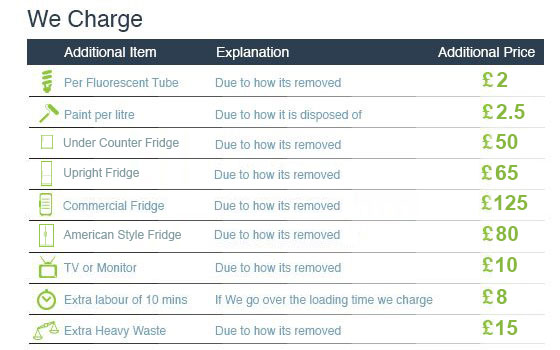
In terms of planning resources, the most useful things are often local and service-based rather than fancy. Read the pricing and quotes information before you book anything so you understand how estimates are normally put together. If your priorities include keeping waste handling as responsible as possible, the recycling and sustainability page gives helpful context about the waste hierarchy and why sorting matters.
And if you want to understand the company background before arranging a collection, the about us page is a sensible place to start. Trust matters here. You are letting someone deal with your household space, after all.
Law, Compliance, Standards, or Best Practice
Household rubbish removal in the UK sits within a broader duty of care approach, which in plain English means waste should be handled, transferred, and disposed of responsibly. You do not need to become a legal expert to do the right thing, but you should avoid handing waste to anyone who cannot explain where it goes or how it is managed.
For local households, the practical best practice is straightforward:
- make sure waste goes to a legitimate disposal route;
- separate items that can be reused or recycled where possible;
- be careful with items that may contain sharp, electrical, or chemical hazards;
- keep records or confirmation where appropriate if you are arranging a paid service;
- do not assume a bargain quote is a complete service quote.
If you are dealing with builder waste after a kitchen refit or similar project, the handling expectations can be stricter because the load often contains heavier and more mixed materials. In that case, builders waste clearance in Bow is the more appropriate route than ordinary household rubbish removal.
Insurance and safety matter too. Heavy lifting, broken glass, dust, and awkward stairways are not dramatic in the abstract, but they do add up quickly. The insurance and safety information is useful reading if you want a better sense of how professional handling reduces risk. Truth be told, most people do not think about this until something nearly drops on a foot.
And yes, if you live in a flat or shared building, common-sense building rules and access etiquette matter as much as disposal rules. Keep the hallway clear, protect communal areas, and be considerate with timing. That small bit of courtesy goes a long way.
Options, Methods, or Comparison Table
There is no single best removal method for every household. The right choice depends on how much waste you have, how quickly you need it gone, and how much labour you want to do yourself.
| Method | Best for | Strengths | Trade-offs |
|---|---|---|---|
| Rubbish collection | Smaller to medium loads | Convenient, quick, usually low effort | Less ideal for very large or ongoing clearances |
| Skip hire | Longer jobs, DIY clear-outs, recurring waste | Good capacity, works well when you are sorting over time | Needs space and may involve more manual loading |
| House clearance | Whole rooms, lofts, garages, inherited property clear-outs | Less lifting for the customer, fast and structured | May be more than you need for a small one-off load |
| Furniture disposal | Bulky items and single-piece removals | Ideal for sofas, beds, wardrobes, and similar items | Not always the best fit for mixed household clutter |
| Garden waste removal | Clippings, branches, outdoor tidy-ups | Good for seasonal clearances and landscaping leftovers | Can become heavy if soil, turf, or wet waste is included |
If you are choosing between options for an ordinary home clear-out, start with the least complicated route that genuinely fits the load. A small flat clearance does not need to feel like a building project. For many households, a direct service such as house clearance or junk removal gives the best balance of speed and simplicity.
For lighter, routine waste concerns, waste removal can be the more general fit. Small distinction, big difference in practice.
Case Study or Real-World Example
Picture a standard Bow Road household doing a spring reset. Nothing dramatic. Just the sort of clear-out that starts with "we should finally sort the spare room" and ends with three bag loads, a dead side table, two boxes of old cables, a broken desk chair, and a pile of mystery items from 2019 that nobody wants to claim.
The family begins by separating keep, donate, recycle, and remove. The old laptop goes into a keep pile because it still works. The cardboard and packaging are flattened. The desk chair is beyond repair. The spare room suddenly has space again, which is oddly satisfying at half past ten in the morning.
Instead of trying to do five separate trips, they book a collection that handles the mixed household waste in one go. The bulky chair and table are carried out safely, the bags are removed, and the room is left ready for repainting. The job is not glamorous. But it is the kind of thing that makes everyday life feel smoother.
That is really the point. Rubbish removal is rarely about the rubbish itself. It is about what the cleared space lets you do next. Sleep better. Reorganise. Prepare a room for a child. Make room for a home office. Or just stop looking at the mess every time you walk past the door.
If the project is tied to moving home or buying a new place, the property-focused article guide to savvy real estate purchases in Bow can help connect the clearance work to the broader move. Small example, but a real one: tidy homes make every next step easier.
Practical Checklist
Use this simple checklist before you arrange collection or start moving items around.
- Identify the waste type and separate general rubbish from bulky items.
- Remove anything worth keeping, donating, or selling.
- Check for sharp, hazardous, or unusual materials.
- Estimate how much space the waste takes up.
- Confirm whether access is via stairs, lift, driveway, or shared entrance.
- Break down flat-pack furniture and cardboard where possible.
- Keep a clear route to the collection point.
- Protect floors, walls, and communal spaces if needed.
- Choose the most suitable service method for the load.
- Do a final sweep before the team arrives or before you finish loading.
A calm checklist does more for a rubbish job than a burst of last-minute energy ever will.
Get a free quote today and see how much you can save.
Conclusion
The best Bow Road rubbish removal approach is the one that fits your actual home, not an idealised version of it. If the job is small, keep it simple. If the load is awkward, heavy, or time-sensitive, choose a method that reduces lifting and gets the space back faster. Either way, planning a little before you start saves a lot of stress later.
For local households, the real value is not just getting rid of things. It is reclaiming rooms, reducing clutter, and making the home easier to live in. That is a pretty good trade, really. And once the last bag is gone and the room feels airy again, you tend to wonder why you left it so long.
When you are ready to take the next step, use the guidance above to choose the right removal route for your Bow Road home, and make the process feel properly manageable from the start.


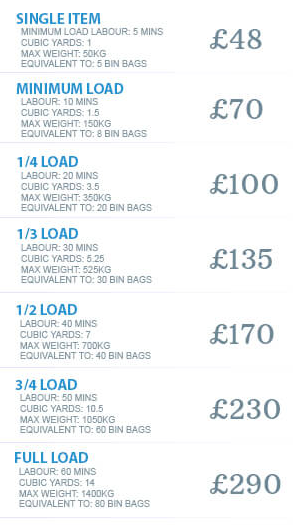
 Tipper Van - Rubbish Removal and Junk Clearance Prices in Bow, E3
 Luton Van - Rubbish Removal and Junk Clearance Prices in Bow, E3